Classic Movies in Original Language

Berlin • 94 classic movies in OV/OmU/OmeU versions, shown in 33cinemas
 Feeling overwhelmed by the number of movies? Use the filters below to narrow down your choices. You can hide movies you've already seen or aren't interested in.
 From Hitchcock thrillers to Kurosawa epics, from New Wave darlings to Hollywood legends, classic screenings offer a chance to experience cinema history on the big screen where it belongs. It's more than nostalgia - it's discovering why these films continue to captivate audiences decades after their first premiere.

 No showtimes on this day match your current filters. You can adjust the filters above.
 | |
 Animation
 English
 OmU
 4.7
 2.4
 23%
 32%

 | |
 FSK 12
| |
 | |
 | |
 | |
 | |
 | FOREIGNERS OUT! SCHLINGENSIEFS CONTAINER is a thrilling, insightful, funny chronicle and reflection of one of he biggest public pranks and acts of art terrorism ever committed. Austria 2000: Right after the FPÖ under Jörg Haider had become part of the government, the first time an extreme right wing party became state officials after WW2, infamous German shock director Christoph Schlingensief showed a very unique form of protest. Realising public xenophobia and the new hate politics in the most drastic ways possible, he installed a public concentration camp right in the middle of Vienna's touristic heart, right beside the picturesque opera where hundreds of tourists and locals pass by daily. And it was no concentration camp you had ever feared to return from the old times, but one that cynically reflected our new multimedia culture. Satirising reality TV shows, "Big Brother" especially, a dozen asylum seekers were surveilled by a multitude of cameras, could be fed and watched by passer-by's and two were thrown out of the country through web-voting. The way fascism looks in the 21st century: Bright. Sensational. Interactive. Funny - and frightening. Austria freaked out. Thousands of screaming people gathered. Attacks with knifes, beatings, acid occurred. Political intrigues. Headlines all over Europe. 800,000 worldwide joined via internet. An incredibly heated week, capturing the European right-wing drift in real time. Democracy the hard way. |
| |
 | |
 | |
| |
 | Rick's Cafe in Casablanca is a meeting place for many people from Europe who want to flee to America during World War II. Rick Blaine, the owner of the cafe, reunites with Ilsa here, with whom he had an affair in Paris. But a revival of their old feelings is doomed to fail, as Ilsa's husband Victor must be saved from the Nazis. |
 | |
 | |
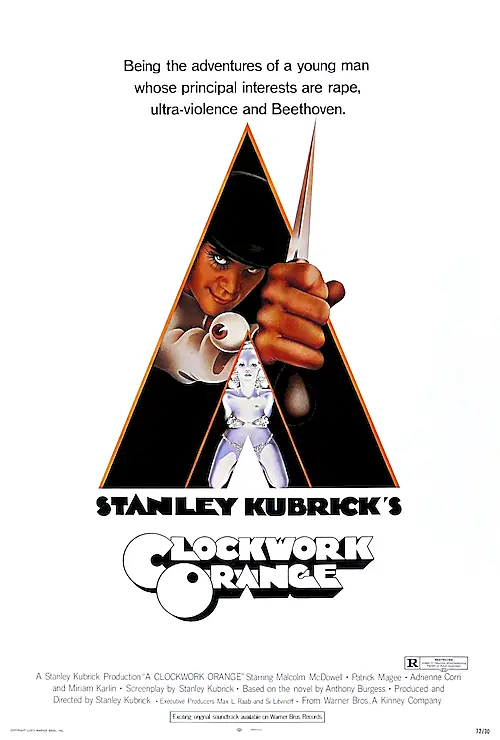 | Kubrick turns Anthony Burgess' famous novel into a brutal and satirical morality tale, centered on Alex, who fights, robs, violates, and murders like a remorseless predator. Alex is arrested and imprisoned. He undergoes a gruesome procedure meant to make him "fit for society" again; functioning like a "clockwork orange," outwardly healthy and intact, but inwardly crippled and limited to reflexes. |
| |
 | |
 | |
| |
 | |
 | |
 | |
 | |
 | |
| |
 | |
 | |
| |
 | |
 | |
 | |
 | |
| |
 | The eccentric Brian Sweeney Fitzcarraldo is obsessed with the idea of building a large opera house in the middle of the untouched Amazon jungle. With his girlfriend’s savings — his girlfriend being the brothel owner Molly — Fitzcarraldo buys an old river steamer. He intends to steam it to an undeveloped rubber region to earn the money for the construction there. Rubber is considered the gold of the jungle. To bypass the dangerous rapids at a river mouth, the obsessed man devises a breathtaking plan: hundreds of Indians are to carry the huge ship over an impassable jungle ridge. |
 | |
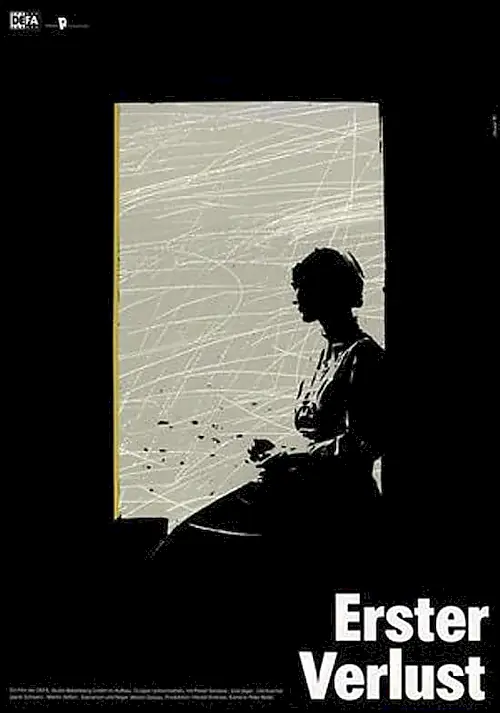
 | In long, barely edited shots, women talk about their lives. All conversations are shot indoors and bear witness to trust and great openness. The topics are work, relationships, what remains of the day, and the familial, which is naturally political. The common thread of the conversations becomes the relationship between desire and reality, and possibly the intimation that a lasting happy relationship with a man is just as unlikely as a happy future for the workers' and peasants' state. |
 | |
 | |
 | |
 | |
 | |
 | |
 | |
 | |
| |
 | |
| |
 | |
 | |
 | |
| |
 | |
 | |
| |
 | |
 | |
 | |
 | |
 | |
| |
 | |
 | |
 | |
| |
 | |
| |
 | |
| |
 | |
 | |
 | |
 | |
 | |
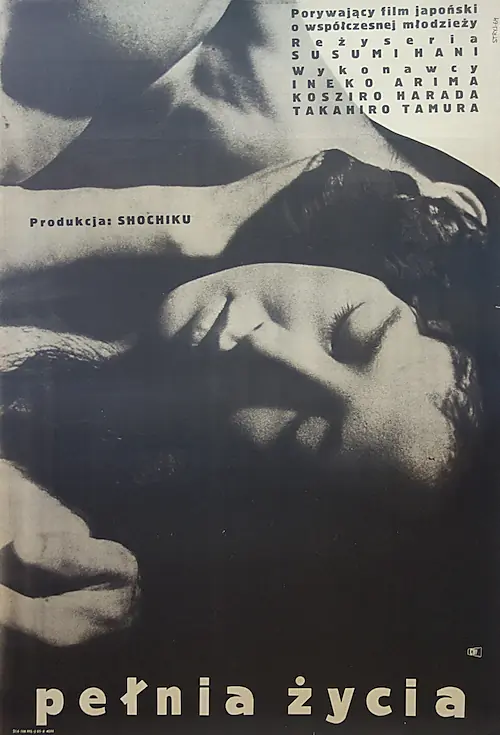 | In this new wave film for Shochiku Studio by avantgarde director Hani Susumu A young Japanese woman tries several extremes, and things in the middle, to improve herself and her contentment. She tries drama, radical politics, sluttiness and more. The director offers minimal script and lots of freedom to the cast. |
 | |
 | |
 | |
| |
 | |
 | |
 | |
| |
 | |
 | |
 | |
 | |
 | |
 | |
| |
 | |
 | |
| |
 | |
 | |
 | |
 | |
 | |
 | |
 | Jack Torrance is the new caretaker of the Overlook Hotel in the mountains of Colorado. During the winter season, the house remains closed to guests, and so Torrance and his family are the only residents of the hotel for a long time. When the house is cut off from the outside world by a snowstorm, Jack's son Danny, who has psychic abilities, discovers that the hotel is cursed, and his father is slowly being driven into madness. |
| |
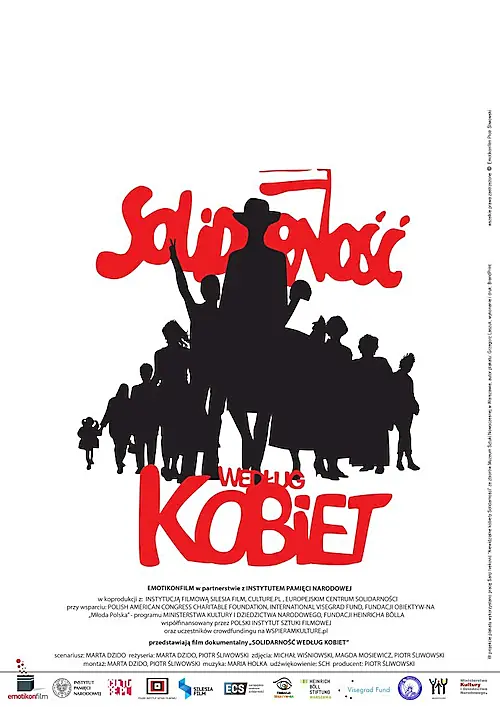 | It was women who closed the gates and launched the Solidarity strike when, on a Saturday in August 1980, workers, satisfied with a raise, stopped their protest and wanted to leave the Gdansk shipyard. If it had not been for the initiative of several determined women, perhaps there would not have been any August 1980 in Polish history. Under martial law, with the men in prisons, the women took on their role. They were not interested neither in joining the union's power structure, nor in particular posts. The most important thing was their work and its results. When communism in Poland came to an end on June 4, 1989, the vast majority of women in Solidarity disappeared from the political stage. They let themselves be forgotten when their colleagues were taking over the most important posts in power in a free Poland. This documentary by Marta Dzido and Piotr Sliwowski reminds us about these forgotten heroines, giving us a new perspective on the last 30 years of Polish history. |
 | |
 | |
 | |
 | |
 | |
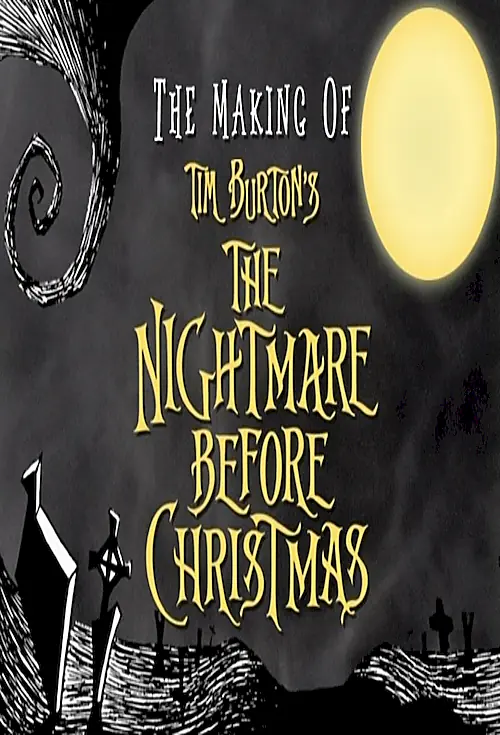 | Tim Burton's not-exactly-holiday-friendly stop-motion puppet horror-musical, a fusion of The Addams Family, Santa Claus and Frankenstein, tells the macabre story of Jack, the singing skeleton who, as king of Halloween Town, loses the desire to compete with his grim housemates for the crown of the most feared monster. When he instead begins haunting the children in Christmastown, the horrified townspeople send the army after him. |
 | |
 | |
 | Africa - Land of the ever-shining sun, German soldiers fulfilling a U.N. mission. For General Brenner a dream comes true: Here, where the people are simple, the German can prove his abilities. But then the virgin wife of Brenner gives birth to her first child. Is it the new Messiah? But what is a Messiah good for if the U.N. is already there? |
 | |
| |
 | |
 | |
 We also recommend: