Movies in Original Language

Berlin • 258 movies in OV/OmU/OmeU versions, shown in 51 cinemas
 Feeling overwhelmed by the number of movies? Use the filters below to narrow down your choices. You can hide movies you've already seen or aren't interested in.

 No showtimes on this day match your current filters. You can adjust the filters above.
 | |
 Sci-Fi, Adventure
 FSK 12
 English, Russian
 OmU
 8.3
 4.2
 90%
 88%

| |
 | |
 | |
 | In 2007, filmmaker Massoud Bakhshi first met sisters Mahya and Zahra. The girls grew up in a loving family in Tehran. Over the next eighteen years, Bakhshi repeatedly visited the family and the two girls. Eventually, a third sister, Maleka, joined the family. The film depicts what it is like to grow up as a young woman in a traditional Iranian family. |
 | |
 | |
 | |
 | |
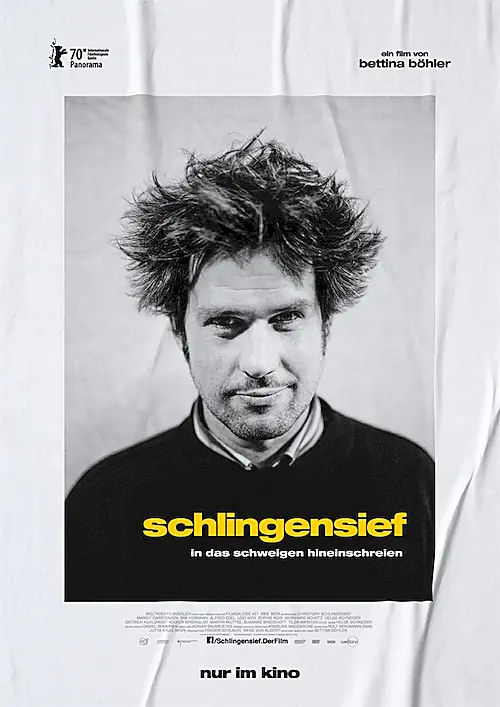
 | FOREIGNERS OUT! SCHLINGENSIEFS CONTAINER is a thrilling, insightful, funny chronicle and reflection of one of he biggest public pranks and acts of art terrorism ever committed. Austria 2000: Right after the FPÖ under Jörg Haider had become part of the government, the first time an extreme right wing party became state officials after WW2, infamous German shock director Christoph Schlingensief showed a very unique form of protest. Realising public xenophobia and the new hate politics in the most drastic ways possible, he installed a public concentration camp right in the middle of Vienna's touristic heart, right beside the picturesque opera where hundreds of tourists and locals pass by daily. And it was no concentration camp you had ever feared to return from the old times, but one that cynically reflected our new multimedia culture. Satirising reality TV shows, "Big Brother" especially, a dozen asylum seekers were surveilled by a multitude of cameras, could be fed and watched by passer-by's and two were thrown out of the country through web-voting. The way fascism looks in the 21st century: Bright. Sensational. Interactive. Funny - and frightening. Austria freaked out. Thousands of screaming people gathered. Attacks with knifes, beatings, acid occurred. Political intrigues. Headlines all over Europe. 800,000 worldwide joined via internet. An incredibly heated week, capturing the European right-wing drift in real time. Democracy the hard way. |
 | |
 | B-MOVIE is a documentary about music, art, and chaos in the wild West Berlin of the 80s. Before the Iron Curtain fell, artists and communards, squatters and hedonists of every color roamed here. The walled-in city was a creative melting pot for subculture and pop culture, "Genial Dilletantes" and world stars. B-MOVIE tells the final decade of the divided city, from punk to the Love Parade, with authentic film material and original interviews. Featuring Annette Humpe, Blixa Bargeld, Nena, Nick Cave, David Bowie, Gudrun Gut, Westbam, Joy Division, Zazie de Paris, Die Toten Hosen, the "real" Heino, Einstürzende Neubauten, Die Ärzte, The Unknown, Malaria!, Notorious Reflexes and many more. |
 | |
 | |
 | Die Basler Architektin Barbara Buser rettet Gebäude vor dem Abriss und baut diese mit wiederverwendetem Material um. Sie verwandelt ehemalige Industrieareale zu urbanen Lebensräumen, die für einen sorgfältigen Umgang mit der Umwelt und dem Miteinander von Mensch und Umgebung stehen. Als Frau, die in einer Männerdomäne erfolgreich ihren eigenen Weg geht, ist Barbara Buser Vorbild für die junge Generation, die für eine nachhaltigere, gerechtere Welt kämpft. |
 | |
 | |
| |
 | |
| |
 | |
| |
 | |
 | |
 | |
| |
 | |
 | |
| |
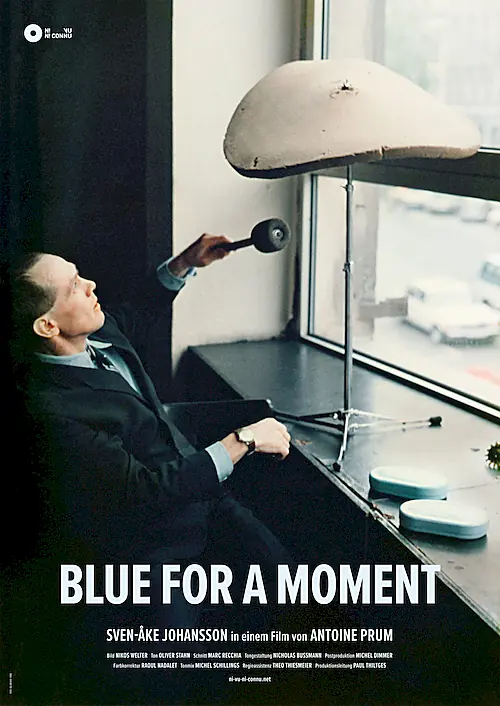 | Blue for a Moment is a documentary portrait of Swedish-born, Berlin-based musician Sven-Åke Johansson, a key figure in European improvised and experimental music. Active as a jazz drummer, composer, poet and visual artist, Johansson has spent decades challenging artistic conventions and genre boundaries. |
| |
 | Visionary ideas, a radical new beginning, and the question of the true cost of success: THE BRUTALIST tells the epic story of the Jewish-Hungarian architect László Toth, who after the horrors of the Second World War risks everything to rebuild his life in the USA. On the foundation of pain and loss, Toth finds in the cold and powerful force of Brutalism the artistic expression for his torn soul. His architecture is as uncompromising as he himself, driven by the unrestrained will to shape the world - even if his most important work could prove to be his greatest curse. |
 | |
 | |
 | |
 | CALL ME QUEEN tells the story of the friendship between Rwandan QUEEN, a 30-year-old single mother from the slums of Nairobi and ANNA, an Irish journalist sent to Kenya in 1999. Empowerment and emancipation are the themes that lead the two of them on a journey together, which in reality is a declaration of war against injustice. |
| |
 | |

| |
 | |
 | |
| |
 | Rick's Cafe in Casablanca is a meeting place for many people from Europe who want to flee to America during World War II. Rick Blaine, the owner of the cafe, reunites with Ilsa here, with whom he had an affair in Paris. But a revival of their old feelings is doomed to fail, as Ilsa's husband Victor must be saved from the Nazis. |
 | |
 | |
 | |
| |
 | |

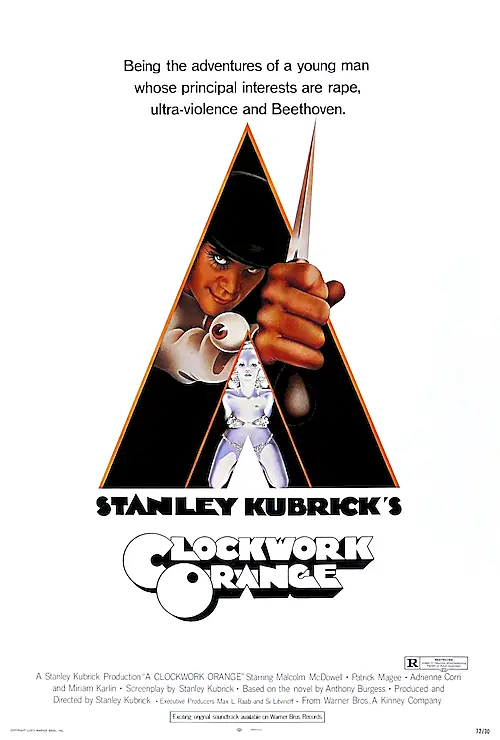 | Kubrick turns Anthony Burgess' famous novel into a brutal and satirical morality tale, centered on Alex, who fights, robs, violates, and murders like a remorseless predator. Alex is arrested and imprisoned. He undergoes a gruesome procedure meant to make him "fit for society" again; functioning like a "clockwork orange," outwardly healthy and intact, but inwardly crippled and limited to reflexes. |
| |
 | |
 | |
| |
 | |
| |
 | |
 | |
 | |
 | |
 | |
| |
 | |
 | |
| |
 | |
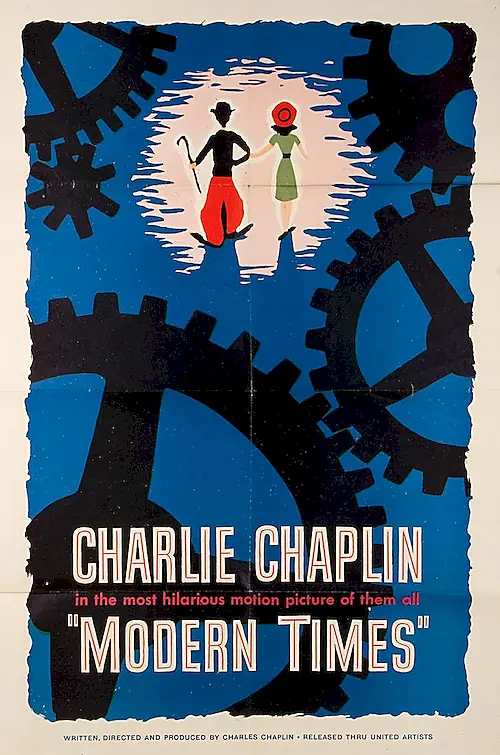
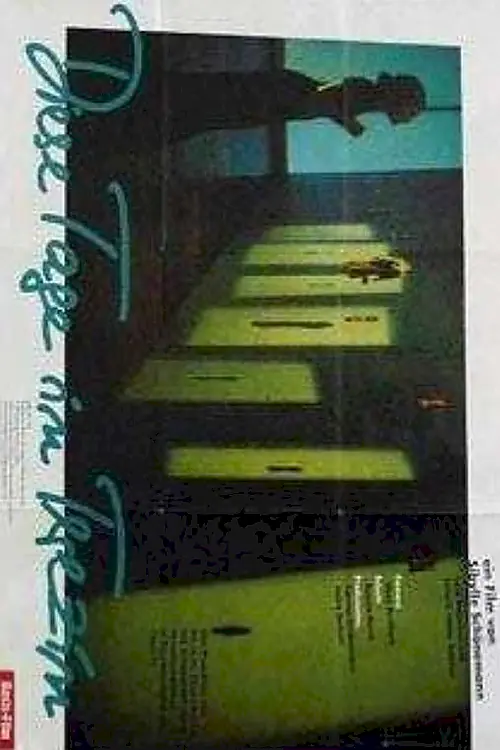 | Three women come to Terezin, formerly known as the concentration camp "Theresienstadt", searching for trails of Karel Svenk. He was called "Chaplin of Theresinenstadt" because he played Cabaret there until his deportation to Auschwitz. They find survivors of the holocaust who met Svenk and still know his songs. |
 | |
 | |
 | |
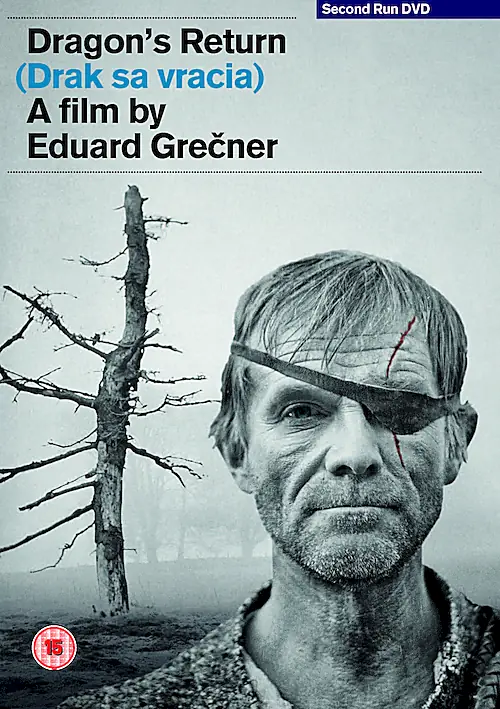 | This is a ballad about love, hate, and a search for a way out of loneliness. It is a dramatic story about the strange potter, Martin Lepis, nicknamed Dragon, who is suspected by the villagers as the cause of natural disasters. He loses his beloved, his home, and his freedom due to false accusations. After years he returns to his native village. Putting his own life to risk, he saves a herd of cattle from a forest fire in the hills. But not even this heroic deed helps him to win back the friendship of the locals. |
 | |
| |
 | |
 | |
 | |
| |
 | |
| |
 | |
 | |
 | |
 | |
| |
 | |
 | |
 | Recorded live on Broadway, Fallen Angels is a champagne-soaked 1925 comedy by Noël Coward. The story follows two wealthy, upper-class best friends who, with their husbands away for a golf weekend, discover that the irresistible Frenchman they both had affairs with before they were married is coming back to town. |
| |
 | |
 | |
| |
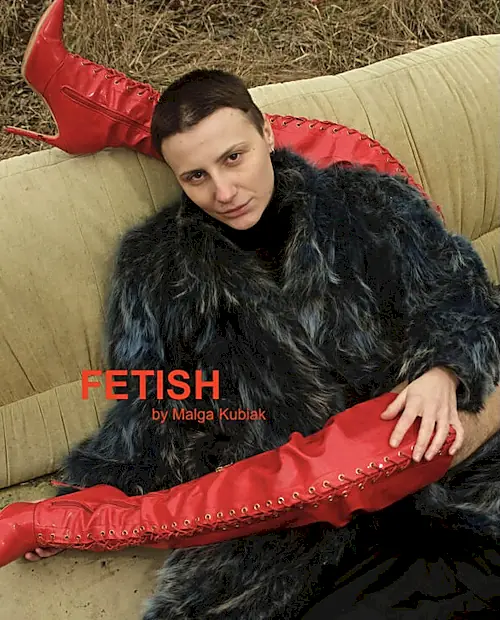 | In this experimental work, Malga Kubiak crafts a raw, improvisational exploration of survival and sex work, blending 20th-century Los Angeles memories with the harsh realities of the modern era. Ultimately serving as a tribute to fallen collaborators and the late director Mantas Kvedaravičius, the film positions the body as a site of both commodity and resistance amidst global collapse and war. |
| |
 | |
| |
 | The eccentric Brian Sweeney Fitzcarraldo is obsessed with the idea of building a large opera house in the middle of the untouched Amazon jungle. With his girlfriend’s savings — his girlfriend being the brothel owner Molly — Fitzcarraldo buys an old river steamer. He intends to steam it to an undeveloped rubber region to earn the money for the construction there. Rubber is considered the gold of the jungle. To bypass the dangerous rapids at a river mouth, the obsessed man devises a breathtaking plan: hundreds of Indians are to carry the huge ship over an impassable jungle ridge. |
| |
 | |
 | |
 | |
 | |
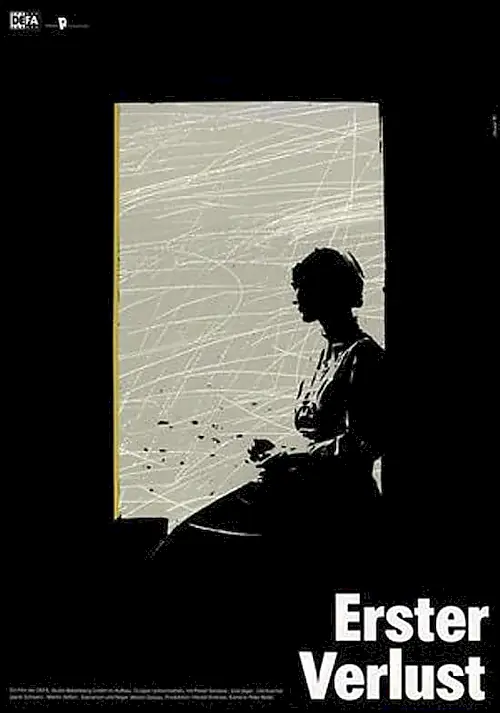
 | In long, barely edited shots, women talk about their lives. All conversations are shot indoors and bear witness to trust and great openness. The topics are work, relationships, what remains of the day, and the familial, which is naturally political. The common thread of the conversations becomes the relationship between desire and reality, and possibly the intimation that a lasting happy relationship with a man is just as unlikely as a happy future for the workers' and peasants' state. |
 | |
 | |
 | |
 | |
 | |
 | |
 | |
 | |
| |
 | Gupi and her friends enter an abandoned apartment in their building to deliver a cake. By passing through a closet in one of the rooms, they find themselves in a dark, unhappy, and otherworldly dimension. This place is home to the palace of the King Who Does Not Smile, whose sorrow has spread across the entire realm. |
| |
 | What happens when women abandon rules, roles, and logic to follow their GUTS until the end of the road? Patrizia and Marie left everything behind and embarked on a five-month, 20,000 km off-road journey from France to Guinea-Bissau—with nothing but an old car, four surfboards, and a mission: to capture the stories of inspiring women redefining their place in society across Northwest Africa. |
 | |
 | |
 | |
 | |
 | |
 | |
| |
 | |
| |
 | |
 | |
 | |
 | |
 | |
 | |
| |
 | |
 | |
| |
 | |
 | |
 | |
 | |
 | |
| |
 | |
 | |
 | |
 | |
 | |
 | |
 | |
 | |
 | |
| |
 | |
| |
 | |
 | |
 | |
 | |
| |
 | |
 | |
| |
 | Rising to fame with the viral phenomenon “Tiger Is Coming,” Leenalchi faces severe internal turmoil following the departure of multiple members. Unable to release a new album for five years and losing even longtime friends from the band, non-gugak leader Jang Young-gyu searches for a path between traditional Korean music and popular culture. |
 | |
 | |
| |
 | |
| |
 | |
 | |
 | The AfrikaBurn festival—the largest offshoot of the world-famous Burning Man festival—takes place in the middle of the South African desert. Here, a diverse group of friends is planning a unique experiment: the construction of their "LOVEBOX" spaceship. On board, two strangers meet for a few minutes, look into each other's eyes, and share what love means to them, forging a deep connection between them. |
 | |
 | The story tells of growing up in provincial West Germany in the 1980s, in a family where one subject dominates everything: the mother's body weight. Is this beautiful, strong-willed, unpredictable woman too big? Does she really need to lose weight? Yes, she does. Decides her husband, who is increasingly dominated by the obsession that his wife's overweight is responsible for everything he is being denied: the promotion, the social ascent, the approval in the village community. And the mother is exposed to this, day after day. |
 | |
 | |
| |
 | |
 | |
 | |
 | The film revolves around Farouk (Karim Abdel Aziz), a supermarket manager who is too busy to attend to his home, his wife Mai (Yasmine Sabri), and his children. His wife's unemployed brother, Galal (Mostafa Khater), moves in with the family, completely turning Farouk's life upside down and dragging him into seemingly unsolvable predicaments—all set against a backdrop of comedy. |
 | |
 | |
 | |
 | In this new wave film for Shochiku Studio by avantgarde director Hani Susumu A young Japanese woman tries several extremes, and things in the middle, to improve herself and her contentment. She tries drama, radical politics, sluttiness and more. The director offers minimal script and lots of freedom to the cast. |
 | |
 | |
 | |
 | |
 | |
 | |
| |
 | |
 | |
 | |
 | |
 | |
| |
 | |
| |
 | |
 | |
 | |
 | |
| |
 | In the troubled night of Seoul on the verge of apocalypse, Niko, a penniless scriptwriter, works a part-time job as a companion for people who have lost their keys. When she can no longer satisfy her longing for true love in this once melancholic, sensual, and bustling city, she disappears. Her boyfriend Jeremy and their new friend Ji-eun start looking for the missing Niko and become entangled in a love triangle. At last, Niko finds a new, reckless, and ultimate way to express her feelings. |
 | |
| |
 | |
| |
 | |
 | |
 | |
 | |
 | |
 | |
 | |
 | |
 | |
 | |
| |
 | |
 | |
 | |
 | |
 | |
 | |
 | |
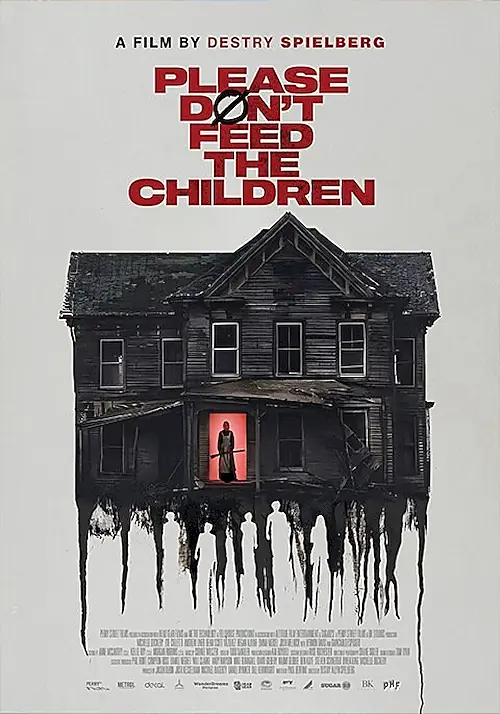 | |
 | Two brothers could hardly be more different: Ryan is a carpenter, artist, and sensitive, loving husband, while Roman is a convicted drifter prone to violence. After a terrible car accident, both are in a coma. After months, Roman awakens - and believes he is Ryan. Ryan's wife Jess is both attracted and repelled. Roman acts like her husband. And he knows things about their love that only Ryan could know. More and more, Jess is drawn to the familiar stranger. But the young woman can't shake the feeling that something evil surrounds her. |
 | |
| |
 | |
 | |
 | |
 | |
 | |
| |
 | |
 | |
 | |
 | |
 | |
| |
 | |
 | Sakuta Azusagawa's world is upended when his girlfriend, Mai Sakurajima, publicly reveals that she is the mysterious and popular internet singer Toko Kirishima. This shocking announcement triggers a chain of reality-bending events tied to "Puberty Syndrome." To save their future, Sakuta receives a cryptic warning from an alternate-reality version of himself, sending him on a desperate race against time to track down the true identity of Toko Kirishima and fix their fractured reality before it collapses completely. |
 | The film is a personal, non-narrative collection of brief observational moments, private gestures, and atmospheric portraits captured on 16 mm film between 1999 and 2018. Filmed across various locations (including Berlin, Detroit, and Cape Cod), it records everyday life, friends, family, and fleeting memories. Viewers see recurring subjects grow and change across different ages—from childhood into youth and adulthood—accompanied by ambient sound, speech, music, or silence. A key recurring motif features the handwritten sentence: "A child asleep in its own life". |
 | |
 | |
 | |
 | |
| |
 | |
| |
 | |
| |
 | |
| |
 | |
 | |
 | "Beauty and decay" is a documentary about three rebels, who shine even brighter than the rest of the vibrating East Berlin boheme of the 80ies: Sven Marquardt, Dominique Hollenstein (Dome) and Robert Paris. All of them being more mystical creatures than real punks. This movie reveals how little the colorful East Berlin punk-scene had in common with the one-dimensional aesthetic of its western counterpart. The uniqueness, authenticity and offhandedness of this subculture was impressive. |
| |
 | |
 | |
 | |
 | |
 | |
 | |
 | Jack Torrance is the new caretaker of the Overlook Hotel in the mountains of Colorado. During the winter season, the house remains closed to guests, and so Torrance and his family are the only residents of the hotel for a long time. When the house is cut off from the outside world by a snowstorm, Jack's son Danny, who has psychic abilities, discovers that the hotel is cursed, and his father is slowly being driven into madness. |
| |
 | |
| |
 | |
 | |
| |
 | In the 1960s, many African countries fought for their independence from the European colonial powers. While the Soviet Union and other socialist countries support decolonization, the USA and its Western allies view this with skepticism. Their interest primarily lies in the natural resources which they want to maintain control over. The USA tries to adopt unconventional methods and sends jazz greats like Louis Armstrong and Nina Simone as ambassadors to African states to portray the West positively, while figures like Malcolm X and other jazz artists solidarize with the independence movement at the same time. |
 | |
 | |
 | |
| |
 | |
 | |
 | |
 | |
 | |
| |
 | |
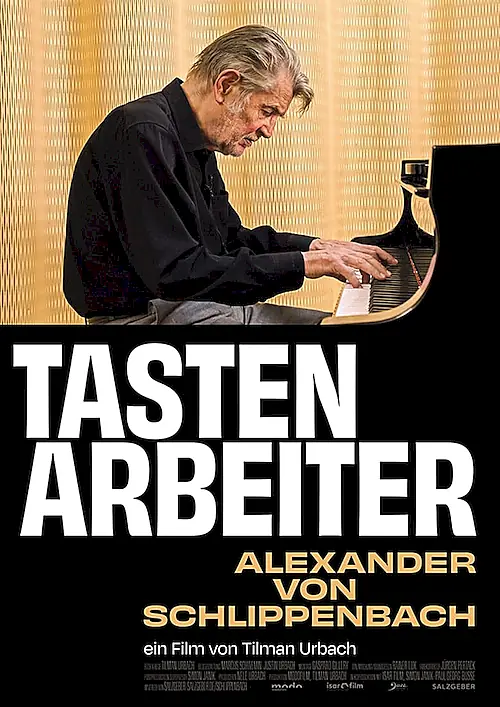 | He is one of the founding fathers of European free jazz: For decades, Alexander von Schlippenbach has gone his own way, playing piano, composing, and leading bands. This paints a very personal portrait, showing biographical breaks, but also new beginnings. He reconstructs Schlippenbach's path into the musical collective of the now legendary "Free Music Production" (FMP), for whom free jazz meant emancipation – not only from the musical but also from the political establishment. Free jazz, the film makes clear, was considered by many to be a musical realization of the 1968 movement. A resounding model of democracy in which all voices stand side by side on an equal footing – a principle that pushed Schlippenbach to the extreme with his Globe Unity Orchestra, even though he always saw himself as a musician and by no means as a political activist. In the film, the pianist meets old companions such as the trumpeter Manfred Schoof. In Dresden, Schlippenbach jams with percussionist Günter "Baby" Sommer and talks to him about their joint concerts in the GDR, where free jazz musicians were celebrated like pop stars. The camera also accompanies him home, where he lives an extraordinary life and work partnership with his wife, jazz pianist Aki Takase. An insight that shows once again that free jazz is above all one thing: an unconditional expression of radicalism, individuality and freedom. From this spirit, music remains for Schlippenbach's attitude and statement – to this day. |
| |
 | |
| |
| |
 | |
 | |
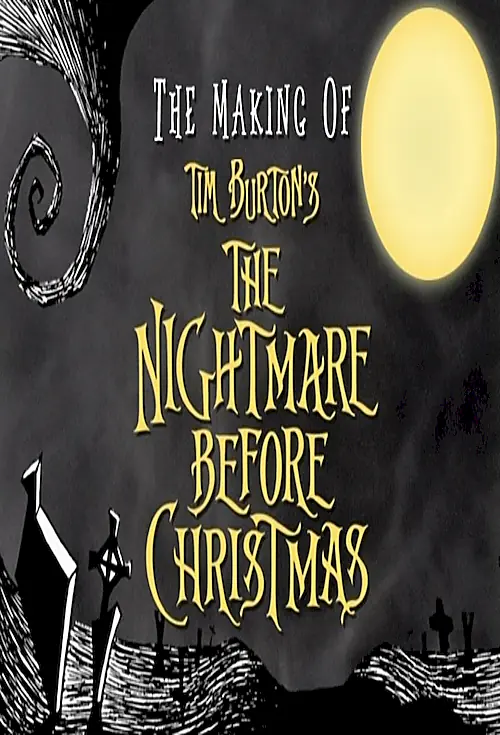 | Tim Burton's not-exactly-holiday-friendly stop-motion puppet horror-musical, a fusion of The Addams Family, Santa Claus and Frankenstein, tells the macabre story of Jack, the singing skeleton who, as king of Halloween Town, loses the desire to compete with his grim housemates for the crown of the most feared monster. When he instead begins haunting the children in Christmastown, the horrified townspeople send the army after him. |
| |
 | |
 | |
| |
 | |
 | |
 | |
| |
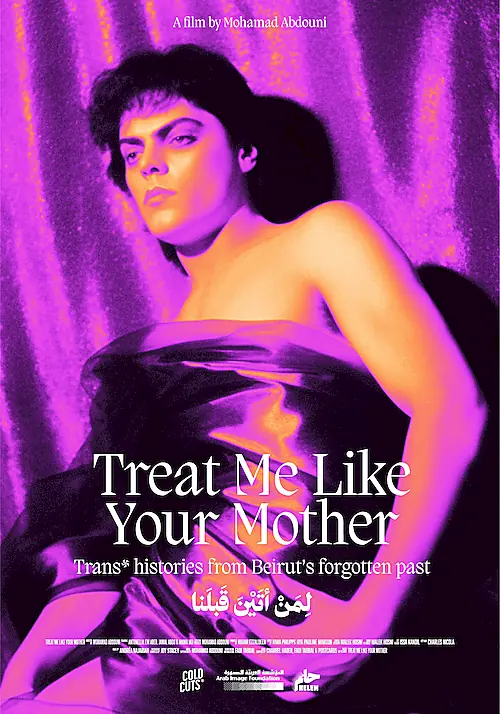
 | The film series "Transit – Stories of Travellers and Migrants" explores the places where the participating filmmakers were born and raised, as well as the places they now call home. Driven by a desire to understand the unique perspective of migrants, the filmmakers embark on a journey into their own pasts while critically examining the present. |
 | |
| |
 | |
 | |
| |
 | |
 | |
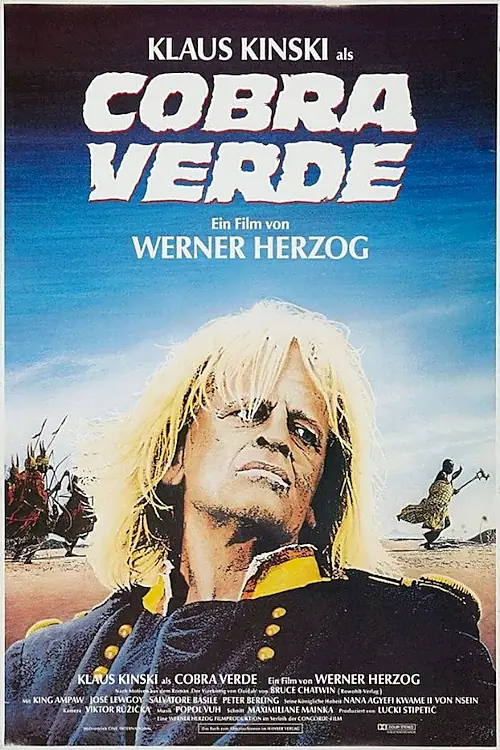
 | Africa - Land of the ever-shining sun, German soldiers fulfilling a U.N. mission. For General Brenner a dream comes true: Here, where the people are simple, the German can prove his abilities. But then the virgin wife of Brenner gives birth to her first child. Is it the new Messiah? But what is a Messiah good for if the U.N. is already there? |
| |
 | |
 | |
| |
 | |
 | |
 | |
 | |
 | |
 | |
 | |
 | |
| |
| |
 | |
 | |
 | |
| |
 | |
 | |
 We also recommend: